DIY Car Repairs: How Far Should You Really Go?
"Some people are skilled enough to do a clean, professional job. Others are simply courageous. Both are trying, but the outcomes are very different."
The DIY culture has grown fast, and honestly, it’s not a bad
thing. Today, many car owners can fix issues on their own, sometimes without
ever stepping into a garage. With YouTube tutorials, online forums, and
borrowed tools, working on your own car feels possible, even if you’re not a
mechanic.
But here’s the part many people ignore: DIY car repairs
don’t mean the same thing for everyone.
Some people are skilled enough to do a clean, professional job. Others are
simply courageous. Both are trying, but the outcomes are very different.
The Skilled DIY Car Owner
This group may not be trained mechanics, but they understand
how cars work. They research before touching anything, follow steps carefully,
and know when a job is beyond them. They use the right tools, torque things
correctly, and reassemble parts as they should.
When they work on a car, there might be a bit of mess during
the process, but once the job is done, everything is back where it belongs. No
leaks, no warning lights, no “extra” bolts left on the ground. Sometimes, you’d
never tell the car wasn’t worked on in a professional workshop.
For this group, DIY makes sense, within limits.
The Confident but Limited DIYer
This is where things start to get tricky. These car owners
are bold, curious, and eager to learn, but their understanding is incomplete.
They follow tutorials halfway, skip steps they don’t fully understand, or
improvise tools when they shouldn’t.
They may successfully fix a problem today, but leave behind
loose clips, stressed wiring, small leaks, or incorrect installations that come
back to haunt them later. The car runs, yes but not always the way it should.
This group should keep DIY strictly to basic maintenance:
oil changes, air filters, batteries, wiper blades, bulbs, and simple checks.
Once electronics, engine internals, braking systems, or cooling systems are
involved, the risk rises fast.
The Brave Experimenter
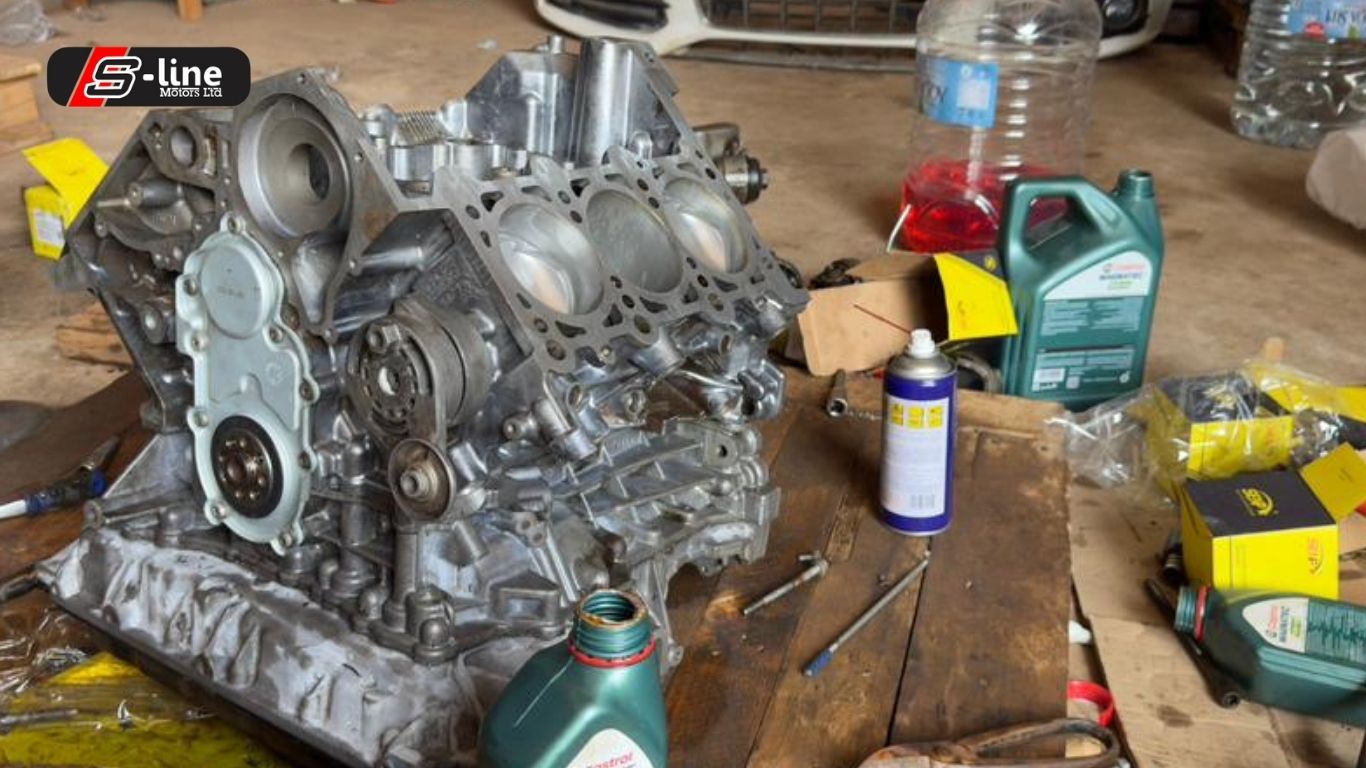
Then there’s the group that jumps in with courage alone. No
clear understanding of systems, no proper tools, and no plan for putting things
back together. Wires get cut, hoses are swapped, bolts go missing, sensors are
unplugged “just to check something.”
What starts as a small problem often turns into a bigger
one. By the time the car reaches a garage, the original fault is buried under a
trail of new issues, and the repair cost is much higher than it needed to be.
In this case, DIY doesn’t save money. It creates damage.
So Where Should You Draw the Line?
Before attempting any DIY repair, ask yourself honestly:
- Do I
understand why this part failed?
- Do I
have the correct tools, not substitutes?
- Can
I put everything back exactly as it was?
- Am I
okay paying more if I make it worse?
If most answers are “not really,” then the smartest DIY
decision is not doing it at all.
The Real Meaning of DIY
DIY isn’t about being brave. It’s about knowing your ability
level and respecting the complexity of modern cars. Some owners can do an
excellent job on their own. Others should stop at basic checks and leave the
rest to professionals.
And that’s not failure, that’s wisdom.
At S-Line Motors, we’ve seen all sides of DIY: clean
jobs, neat attempts, and complete chaos. Our role isn’t to judge, it’s to
restore your car properly, safely, and reliably when DIY reaches its limit.
Know when to try.
Know when to stop.
And know where to take your car when it matters.
S-Line Motors Ltd
Plot 6, Ojara Close, Lower Mbuya – Kampala
Call us:
0782000234 | 0708000888 | 0779745722
Your trusted partner when DIY reaches its limit.